Selling your Home tech brand
What Urban Indians Actually Want
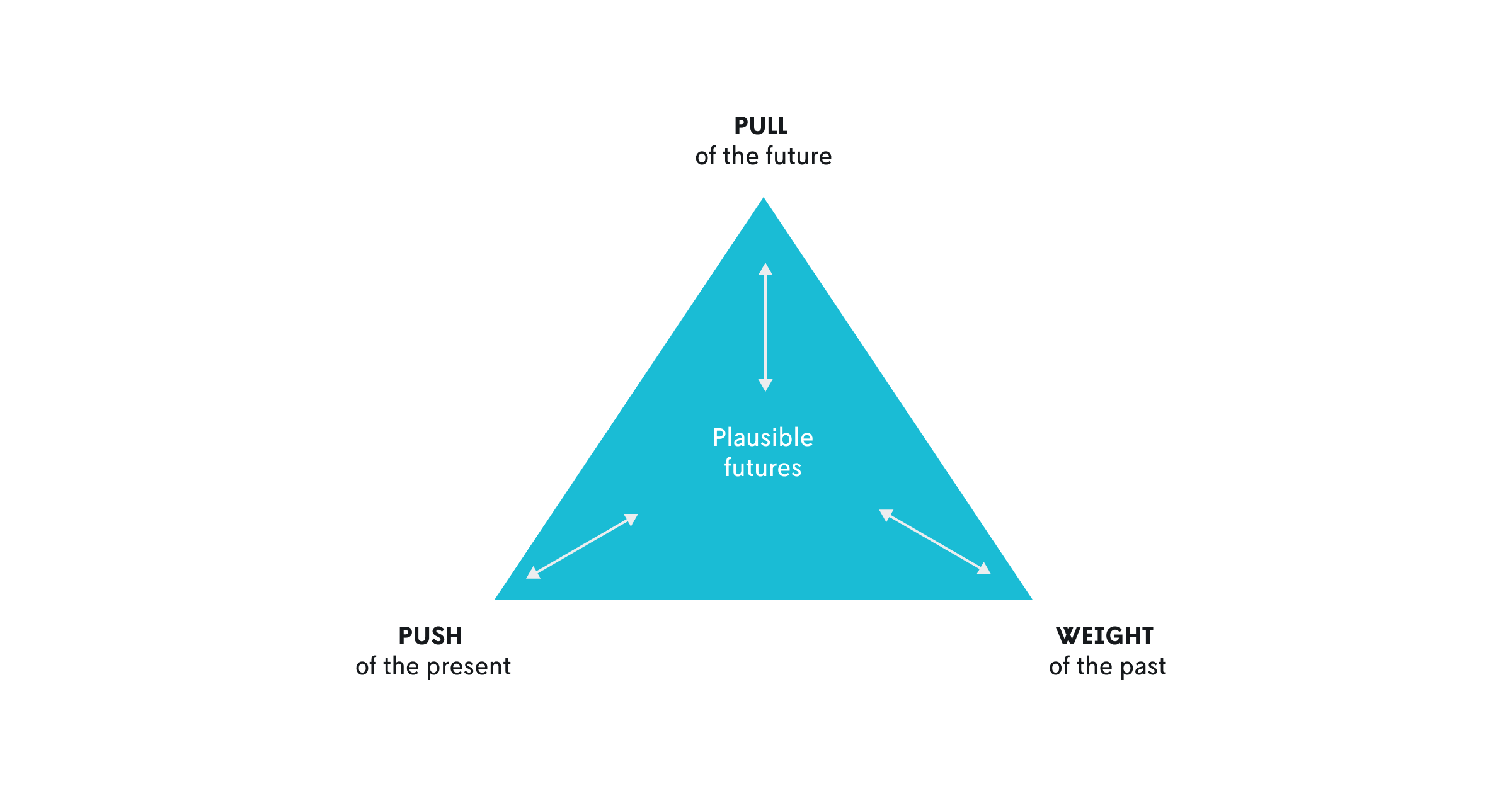
Our research reveals three competing futures:
The Safety & Security Driver (Strongest) This is where Indian homes embrace machines without guilt. Smart locks, cameras, and monitoring devices solve real anxieties about family protection. Safety devices have the highest adoption because they serve an emotional need beyond convenience. Your narrative here? Protection that empowers, not replaces.
The Emotional Functionality Gap (Biggest Opportunity) Urban Indians don't want machines to control their homes. They want machines to understand them. A geyser that remembers each family member's water temperature preference. Lighting that adjusts to mood. Voice-enabled devices that work for both owners and household help.
This is the narrative sweet spot: Machines that adapt to us, not the reverse.
The Kitchen Remains Sacred Here's the brutal truth: Urban Indians will automate their living rooms and laundry rooms, but not their kitchens. Food and nutrition are non-negotiable human domains. No matter how advanced your technology, framing it as a kitchen solution will fail. Instead, position technology as handling the periphery—allowing humans to focus on what matters: cooking, nourishing, deciding.
The Narrative You Need
Your brand must say: "We understand your home doesn't work like Western homes. We're not here to modernize you into a different way of living. We're here to solve the specific moments where technology makes life better—without requiring you to become a tech maintenance expert or abandon what makes your home yours."
This is honest. This works in India.
•Narratives for Home Technology Brands: The Indian Home Wants More Than Machines
Urban India is ready to flirt with home automation—but not yet ready to commit. This paradox defines why most global smart home narratives fail in the Indian market. Your brand needs a different story.
•The Problem with "Modern" Narratives
Western smart home brands lead with energy efficiency and full automation. They assume households want complete technological takeover. India's response? Polite interest, minimal adoption. Why? Because urban Indian homes operate on a different logic. They've always been hybrid spaces where technology coexists with human labor, where modernity is selective, and where the kitchen—the heart of the home—remains resolutely human.
Forget the global script. Your narrative must acknowledge the baggage of the past: machines as wealth markers, electricity anxiety, and deep-rooted skepticism about outsourcing human tasks.
Three Narrative Pillars
1. Independence, Not Replacement Don't position machines as replacing household help. Frame them as enabling independence when help isn't available. This respects India's mixed economy of labor and technology while solving real friction points.
2. Quality Over Modernity Move beyond "modern home" messaging. Urban Indians now prioritize reliability, low maintenance, and actual functional benefit. The aspirational value of technology is declining; practical value is rising. Lead with what machines actually do better than humans—consistency, automation without supervision, accuracy every time.
3. Simplicity Over Integration Global brands push fully integrated ecosystems. Indians prefer pockets of automation. Acknowledge this. A successful smart home in India isn't one where everything talks to everything. It's one where people use machines in specific zones where friction exists, without adding new complexity or maintenance burden.
WILL URBAN INDIANS ADOPT MACHINES
FOR DAILY TASKS?
MACHINE MANIA?
‘The problem that the washing machines and other electronic appliances solved was of offering a modern technology driven solution to an existing traditional, manual one.
Most categories of this kind will see growth in the premium segment, functionally superior products and brands.
The Indian experience has been that this growth is hard to come by unless marketers make the effort to continue to deliver ‘value-right’ products at the premium end, where the basis of value is superior functionality and user experience.’
Bijapurkar, Rama. We are like that only: Understanding the Logic of Consumer India . Penguin Books Ltd. Kindle Edition.”
Modernization of Indian homes has long been aspirational for a burgeoning Urban Consumer.
With shifting narratives and a halo effect of technology, what can move the needle from on demand usage of appliances to default mode?
Aka move the critical mass from Early adopters to Early majority for automating household tasks?